Heritage Repointing: A Complete Guide for Buckley Homeowners
By GRADY POINTING SPECIALISTS LTD
What is heritage repointing?
Heritage repointing is the careful removal and replacement of defective mortar in the joints between bricks or stone. Unlike standard modern pointing, the work must take account of the age, construction and condition of the building.
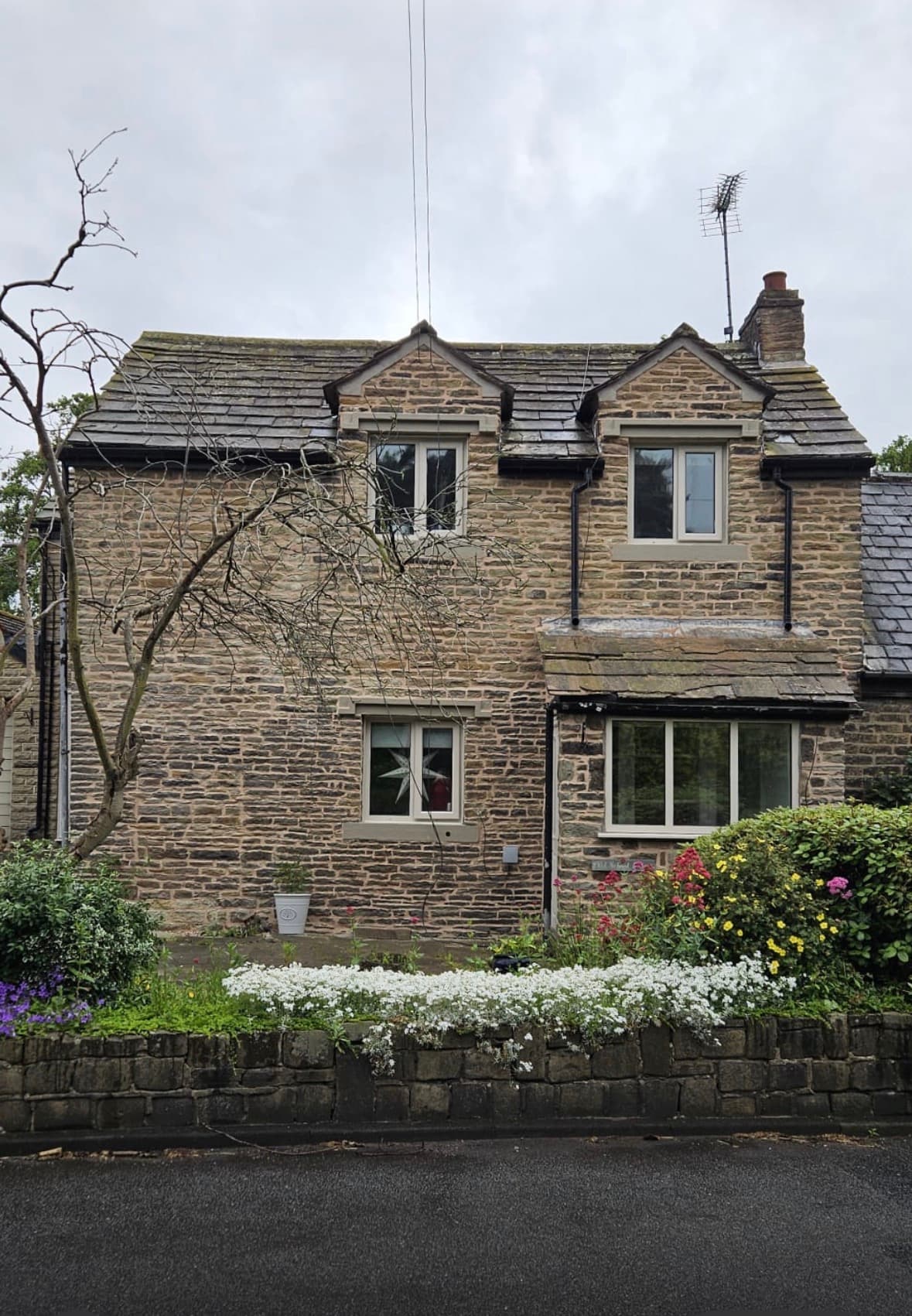
Many older properties in Buckley and across Flintshire were built using traditional materials. These walls were designed to manage moisture through the masonry and mortar joints. Replacing the original lime mortar with a hard cement-based mortar can affect that balance, particularly where the brickwork is softer or the building needs to accommodate small amounts of movement.
Heritage repointing is not simply a matter of making the joints look neat. The mortar needs to be compatible with the existing masonry, applied correctly and finished in a way that respects the character of the property.
Why lime mortar is often suitable for older properties
Lime mortar remains a common choice for traditional and heritage buildings because it is more breathable and flexible than many modern cement mortars. This allows moisture to move through the joints rather than becoming trapped within the brickwork or stone.
Cement pointing can be harder than the surrounding masonry. Over time, this may contribute to spalling, surface damage and cracking, as the brick or stone becomes the weaker part of the wall. Damp patches, salt deposits and crumbling faces can also indicate that the existing pointing is no longer performing properly.
That does not mean lime mortar is automatically right for every wall. The building materials, exposure, previous repairs and condition of the joints all need to be considered before work begins. A suitable mortar mix and finish should be selected for the property rather than chosen as a standard product.
Signs that your Buckley property may need repointing
Look closely at the external walls, paying particular attention to exposed elevations, chimney areas and places where previous repairs have been carried out. Common warning signs include:
- Mortar joints that are cracked, powdery or falling away
- Gaps between bricks or stonework
- Damp staining or white salt deposits on internal or external surfaces
- Bricks with damaged or flaking faces
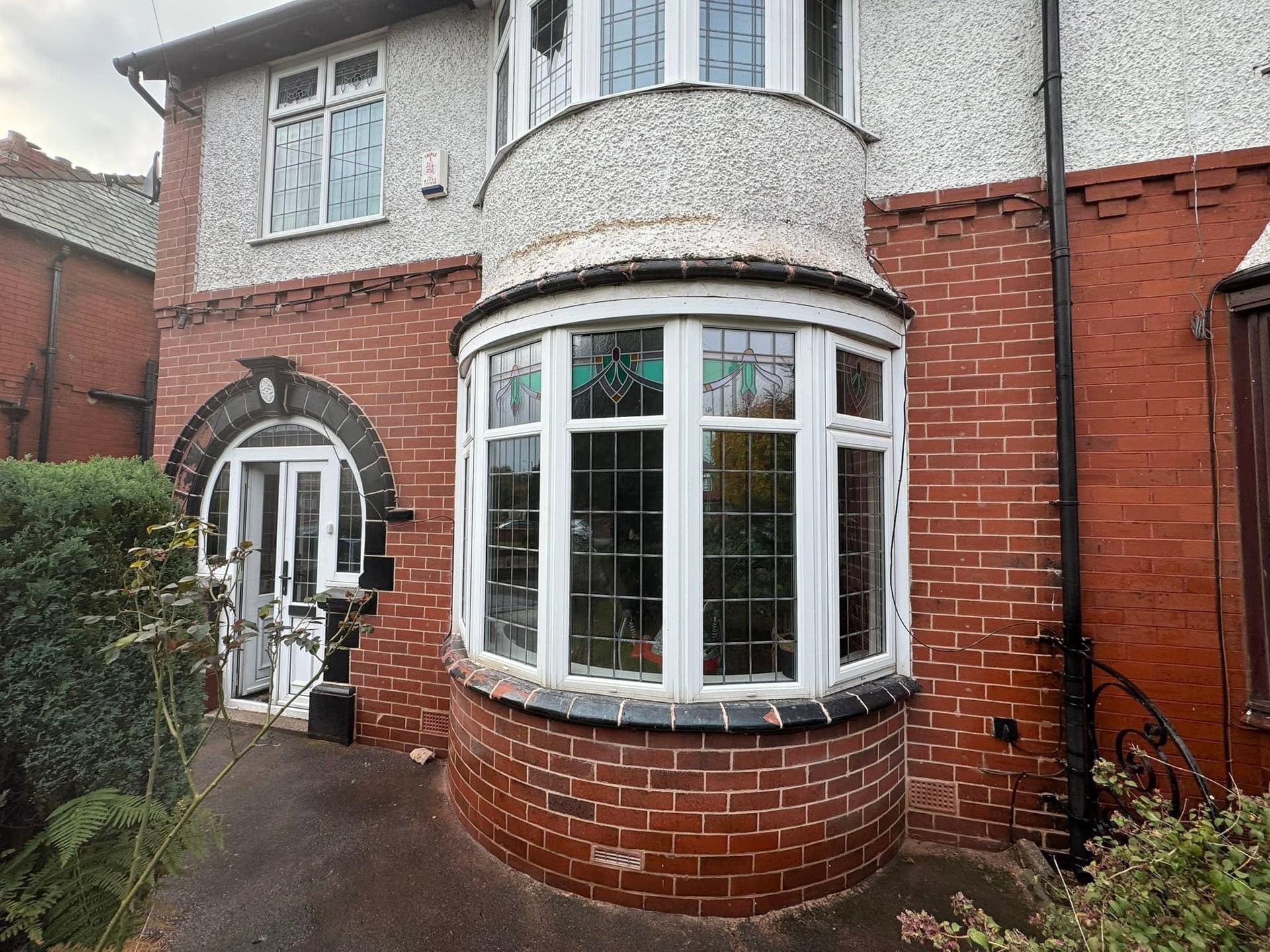
- Hard cement pointing that stands proud of softer bricks
- Water entering around exposed walls, chimneys or junctions
- Areas where old render has concealed the condition of the masonry
Some deterioration is cosmetic, but defective joints can allow water to reach the inner parts of the wall. If the problem is left untreated, local repairs may become more extensive. A proper inspection can help establish whether the wall needs isolated brick repair, deeper grind-out and repointing, or broader heritage work.
How heritage repointing is typically carried out
1. Inspection and mortar assessment
The condition of the masonry and joints should be assessed before any mortar is removed. This includes looking at the brick or stone type, joint profile, depth of deterioration and signs of movement or moisture.
2. Careful removal of defective mortar
The damaged material needs to be removed to a sound depth without unnecessarily damaging the brick arrises. This stage is often referred to as grind-out, although the most appropriate approach depends on the building and the condition of the joints. Dust control and careful preparation are particularly important around occupied homes.
3. Preparation of the joints
Joints should be cleared of loose debris and prepared to receive the new mortar. In some cases, controlled dampening is needed so the existing masonry does not draw moisture from the mortar too quickly.
4. Application and finishing
The new lime mortar is pressed into the joints and finished to suit the building. The profile, texture and colour should complement the original work rather than creating an overly modern appearance.
5. Protection and curing
Lime mortar needs suitable curing conditions. Excessive drying, frost, strong wind and heavy rain can all affect the finished result. Newly repointed areas may need protection while the mortar develops strength gradually.
Planning a repointing project in Buckley
Heritage repointing is best treated as planned work rather than an emergency patching exercise. Start by arranging an assessment before choosing a finish or mortar colour. Ask whether the proposed work includes removal of unsuitable cement pointing, local brick repair and preparation of the joints, where required.
The scope of a project can vary considerably. Factors include the size and height of the property, access, the amount of defective pointing, the condition of the bricks, chimney work and whether render needs to be removed first. These details should be considered when requesting a written quote.
For homeowners in Buckley, the same considerations apply to properties in Mold, Chester, Wrexham, Ruthin and Ellesmere Port. Planned heritage repointing can also be relevant to builders and commercial property owners managing larger masonry projects.
Choosing a heritage repointing contractor
Look for a contractor that can explain why a particular mortar is suitable for the building, not simply recommend the same mix for every property. Clear preparation details, realistic timescales and an explanation of how the finished joints will be protected are all useful signs of a properly considered approach.
GRADY POINTING SPECIALISTS LTD carries out heritage repointing and lime repointing, alongside cement repointing, grind-out, render removal, brick repair and external water sealing. Chemical cleaning, chimney work, and patio repointing and cleaning are also available. The business is fully insured, offers a 30-year guarantee and takes on planned mid-size installations and large projects. Appointments are available on Saturdays and Sundays.
If your Buckley home has hard cement pointing, failing joints or signs of moisture around the masonry, contact GRADY POINTING SPECIALISTS LTD to discuss the condition of the property and request a quote for the appropriate repointing work.