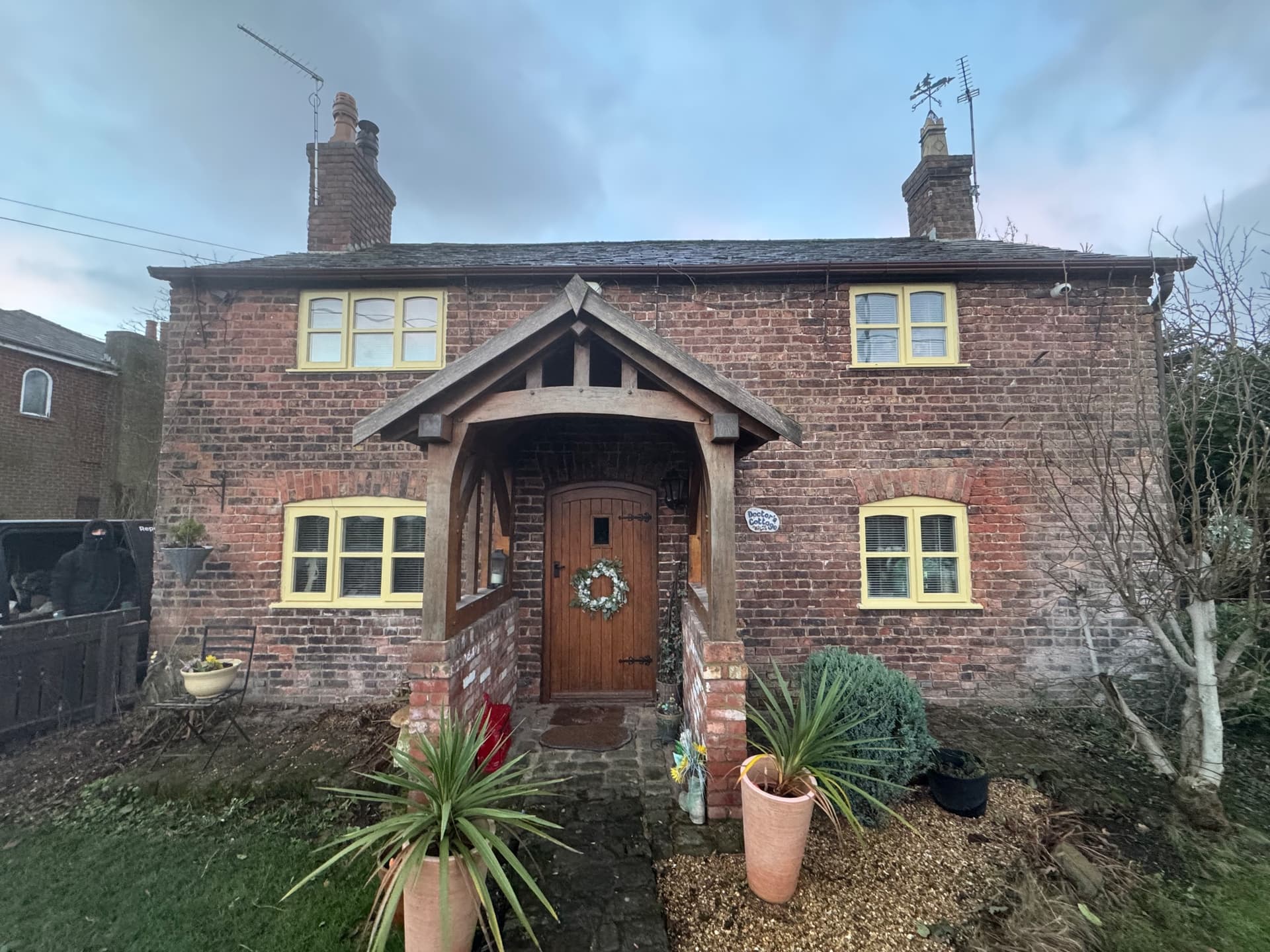
Signs You Need Grind-Out Repointing and What to Do Next
By GRADY POINTING SPECIALISTS LTD
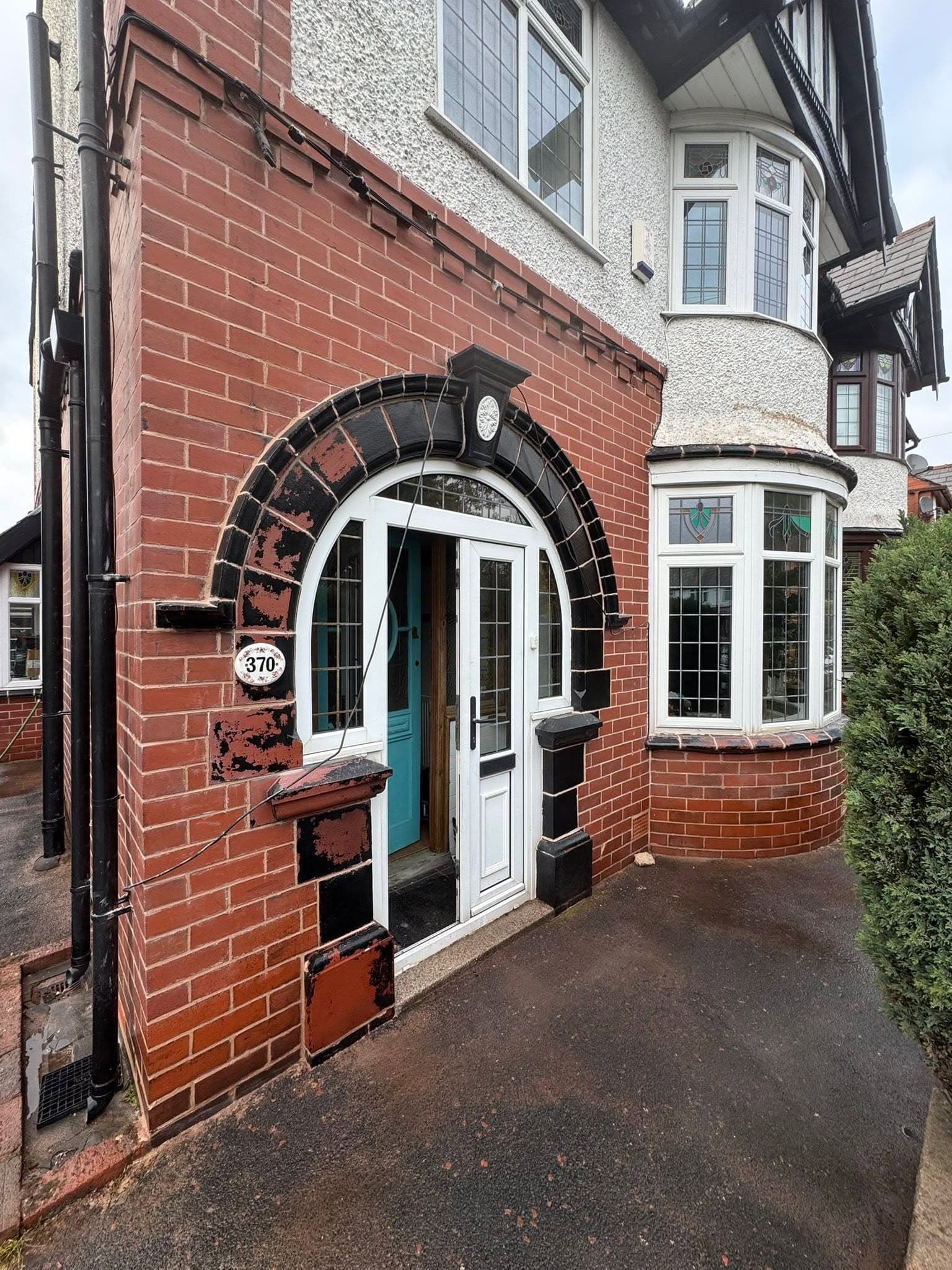
Signs you need grind-out repointing and what to do next
When masonry joints start to fail, repointing is often the right long-term solution. However, new mortar should not simply be applied over the old surface. Where existing pointing is cracked, loose, too hard or poorly bonded, it may need to be carefully removed first. This process is known as grind-out.
For homeowners in Buckley, Mold, Chester, Wrexham, Ruthin and Ellesmere Port, understanding the warning signs can help prevent minor defects from developing into wider brickwork and damp problems.
What is grind-out?
Grind-out is the removal of failed or unsuitable mortar from the joints between bricks or stone. Once the defective material has been removed to an appropriate depth, the joints can be prepared for repointing with a suitable mortar.
The removal stage matters because the new pointing needs a sound, clean joint to bond with. Applying mortar over unstable material may leave the underlying problem in place. It can also produce an inconsistent finish and cause new sections to fail sooner than expected.
The correct removal method depends on the masonry, the existing mortar and the condition of the wall. Older properties require particular care, especially where the original construction was designed to work with lime mortar.
Six signs your walls may need grind-out
1. Mortar is crumbling or turning to powder
Run your hand carefully over the joint. If the mortar is visibly loose, sandy or powdery, it may no longer be providing reliable support or weather resistance. Small areas can often be identified around exposed elevations, window openings and corners.
Loose mortar should be assessed before any repointing begins. New pointing applied around unstable material is unlikely to deliver a durable finish.
2. Cracks run through the mortar joints
Hairline cracks can have several causes, including movement, weathering and incompatible materials. Wider cracks, stepped cracking or cracks that continue across several courses of brickwork deserve closer inspection.
A grind-out may be needed where the existing mortar has fractured throughout the joint. However, cracking should not automatically be treated as a simple pointing issue. The cause of movement needs to be considered before repairs are specified.
3. The pointing is visibly recessed or missing
Deep gaps between bricks allow rainwater to enter the wall and leave edges exposed to frost damage. Missing sections are particularly common on older elevations, chimney areas and walls that have experienced prolonged weather exposure.
Before replacing the pointing, loose remnants must be removed so the joint is properly prepared. This is where grind-out and repointing work together.
4. Cement pointing has been used on an older property
Many older homes were built with softer, more breathable materials and lime-based mortar. Cement pointing can be harder and less flexible than the surrounding brickwork or stone. It may restrict the movement of moisture through the wall and contribute to spalled brick faces, damp patches or accelerated deterioration.
If a property has been repointed in cement, the answer is not always to add another layer over the top. Removing unsuitable pointing may be necessary before heritage repointing or lime repointing can be carried out correctly.
5. Bricks are spalling or flaking at the edges
Spalling occurs when the face of a brick breaks away, often because moisture has entered the masonry and frozen or because a hard mortar joint has transferred stress into the brick. Damaged bricks should be assessed alongside the pointing rather than treated as an isolated cosmetic defect.
Depending on the condition, the work may involve grind-out, brick repair and repointing. The mortar specification should suit the existing masonry rather than simply matching the hardest material available.
6. Previous repairs are patchy or failing
Patch repairs can leave different mortar types across the same elevation. Differences in hardness, colour, porosity and movement can make failure more likely at the boundaries between old and new work.
Where previous repairs are loose or incompatible, removing the affected areas may be the first step towards a consistent finish. A proper inspection can identify whether localised repair is suitable or whether larger sections need attention.
What to do next
Start with a close visual inspection, but do not rake out joints yourself without understanding the masonry. Aggressive removal can damage brick edges, disturb weathered stone or open up more of the wall than intended. It can also leave dust and debris across windows, paths and neighbouring surfaces.
A qualified masonry contractor should assess the wall, identify the existing mortar and check for related issues such as damaged bricks, failed render or water penetration. The specification should then set out the proposed removal depth, mortar type, finish and any associated brick repair or external water sealing.
The property type is important. A modern cavity wall may require a different approach from a Victorian terrace, stone cottage or older Flintshire farmhouse. Mortar that is suitable in one building can be inappropriate in another.
Grind-out and repointing in Buckley and surrounding areas
GRADY POINTING SPECIALISTS LTD is based in Buckley and provides planned masonry work for homeowners, builders and commercial customers across Buckley, Mold, Chester, Wrexham, Ruthin and Ellesmere Port. Services include grind-out, cement repointing, heritage repointing, lime repointing, brick repair, render removal and external water sealing.
Additional masonry work includes chemical cleaning, chimney work, and patio repointing and cleaning. Mid-sized installations and larger projects can be considered, depending on the scope and condition of the property.
Every building should be assessed on its own merits. Access, wall height, brick or stone condition, the depth of failed mortar and the extent of any associated repairs can all affect the work involved. Requesting a site assessment and written quotation is the sensible next step when you have noticed loose pointing, cracking or damaged brickwork.
If you are unsure whether your property needs grind-out before repointing, contact GRADY POINTING SPECIALISTS LTD on 07795 566673 to discuss the required masonry work.