Is Cement Repointing Right for Every Property?

By GRADY POINTING SPECIALISTS LTD

Why the property matters
Choosing mortar is not simply a question of replacing like with like, or deciding that an older house must have one particular type. The joints and the bricks work together as part of the wall. A mortar that suits one side of the building may be a poor match for another, even within the same property.
For homeowners in Buckley, Mold and nearby areas, the useful question is what the existing brickwork can accommodate. Cement repointing may be appropriate where the brickwork and existing construction suit a cement-based mortar. The answer depends on the materials and condition of the wall, not just its appearance. Our Cement Repointing page gives a short overview of the service; here, we’ll look at the property factors behind that decision.
Start with the brick and the existing mortar
The brick’s strength and condition matter because mortar should work compatibly with the surrounding brickwork. If a new joint is much harder or less accommodating than the brick, stress from movement may be concentrated in the brick rather than the joint. In some situations, that can contribute to damage such as cracked or flaking brick faces. The risk depends on the materials and the wall, so it is not something to diagnose from the building’s age alone.
Look at the remaining mortar, too. Its colour and texture can offer clues, but appearance does not reliably identify its ingredients or suitability. Previous repairs may also have introduced different mortars in separate areas. A wall with a patchwork of old and newer joints needs consideration as a whole, rather than a decision based on one small, visible patch.
Age is a clue, not a verdict
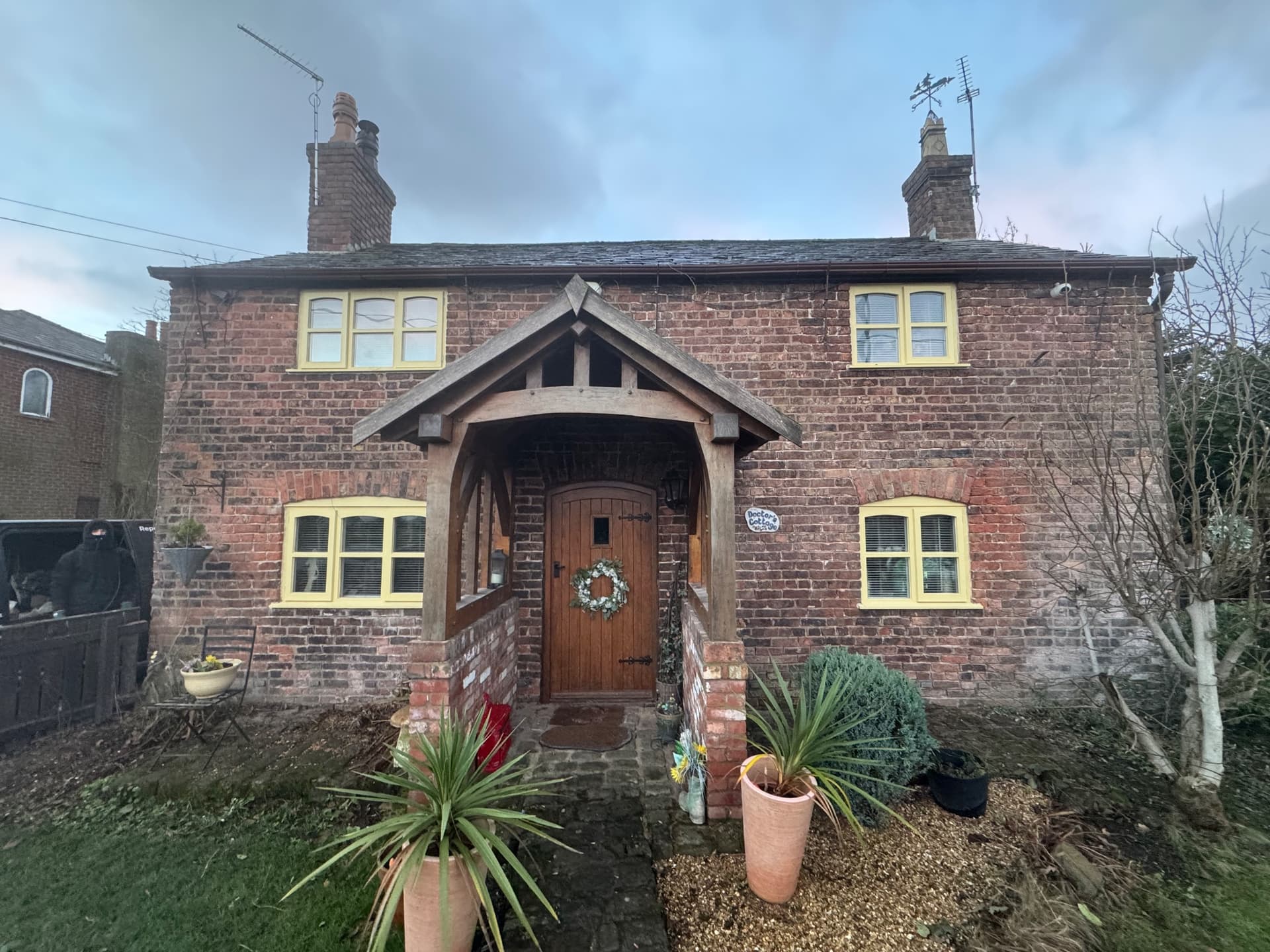
Older buildings can have softer bricks and lime-based mortar, while some later buildings have cement-based joints. But age is only a starting point. Repairs, alterations and exposure to moisture can change what you see today. A newer-looking joint does not prove that the whole wall was built with the same material, and an old building is not automatically unsuitable for cement repointing.
Where softer masonry or lime mortar is present, a more compatible approach may need to be considered. Lime Repointing or Heritage Repointing may be relevant alternatives, depending on the construction and the work required. The important point is to identify what the wall needs before settling on a mortar type.
Consider the wall, not just the front elevation
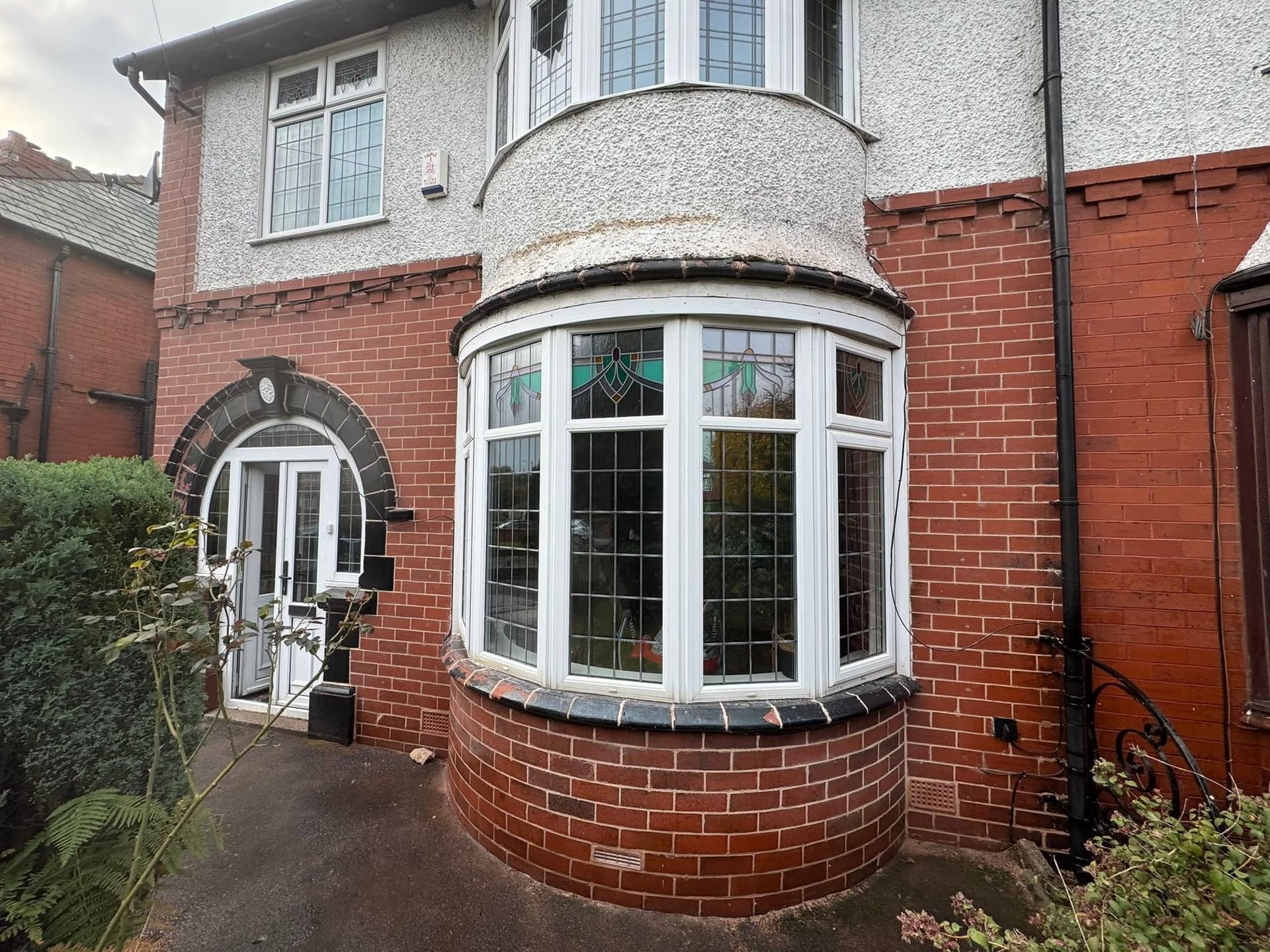
The same building can have different conditions across its walls. One side of the building may be more exposed to driving rain, while another is sheltered. Some areas may have been repaired or altered, or may differ in brick type and condition. These differences can affect how joints weather and whether one consistent approach is suitable everywhere.
Moisture is part of that picture. Water can enter through defects, and salts or damp patches can affect how the brickwork behaves. Repointing addresses the joints, but it does not by itself establish the cause of every damp mark. If signs of moisture are present, they should be considered alongside the wall’s construction and overall condition rather than treated as proof that a particular mortar is needed.
A practical way to think it through
Before deciding, consider these questions:
- What type and condition are the bricks in, including any crumbling or flaking faces?
- What does the existing mortar appear to be, and are there signs of earlier repairs?
- Do different parts of the building have different brickwork, exposure or repair history?
- Are there damp patches or other defects that need understanding before repointing is planned?
These checks can help you describe what you have noticed, but they cannot confirm the mortar composition or settle the choice by themselves. Avoid scraping out joints or testing the bricks by force. Removing mortar without understanding the brickwork can cause avoidable damage. Where the materials are uncertain, or the wall shows deterioration, a proper assessment is the sensible next step.
Make the choice around the masonry
The best decision is based on the brick, the existing joints, the wall’s construction and its condition together. Cement repointing is not automatically right for every property, but neither should it be ruled out solely because a building is older. At GRADY POINTING SPECIALISTS LTD, we provide cement repointing across Buckley, Mold, Chester, Wrexham, Ruthin and Ellesmere Port. If you are unsure which approach fits your brickwork, speak to us about the property and the areas you want assessed.